
What You’ll Gain From This
You'll grasp exactly where AI fits into today's job interviews, from screening to analysis.
You'll weigh the pros and cons of AI in hiring, so you know what to look out for.
You'll get actionable advice on how to prepare for AI-powered interviews and boost your chances.
You'll understand the bigger picture: what's next for AI in recruiting and the ethical questions we're still figuring out.
Introduction
Let's be honest: the job market feels different these days. Artificial intelligence (AI) isn't just a buzzword; it's actively changing how companies find and hire talent. From the moment you submit your resume to your final interview, AI tools are playing a role. This article will break down exactly how AI is being used in interviews, what it means for you as a job seeker, and how you can prepare to stand out.
How Interviews Changed: From Gut Feelings to Algorithms
For decades, hiring managers relied on their gut. Interviews were subjective, and biases often crept in, leading to inconsistent decisions. AI aims to change that. By bringing a data-driven approach to hiring, companies hope to standardize evaluations and find the right person for the job more accurately. It's not just about new tech; it's about trying to make hiring more efficient and, hopefully, fairer.
How AI Shows Up in Your Job Search
AI isn't just one thing; it's a suite of tools used at different points in the hiring process. Knowing where and how it's used can give you a real edge.
Resume Screening: The First Gatekeeper
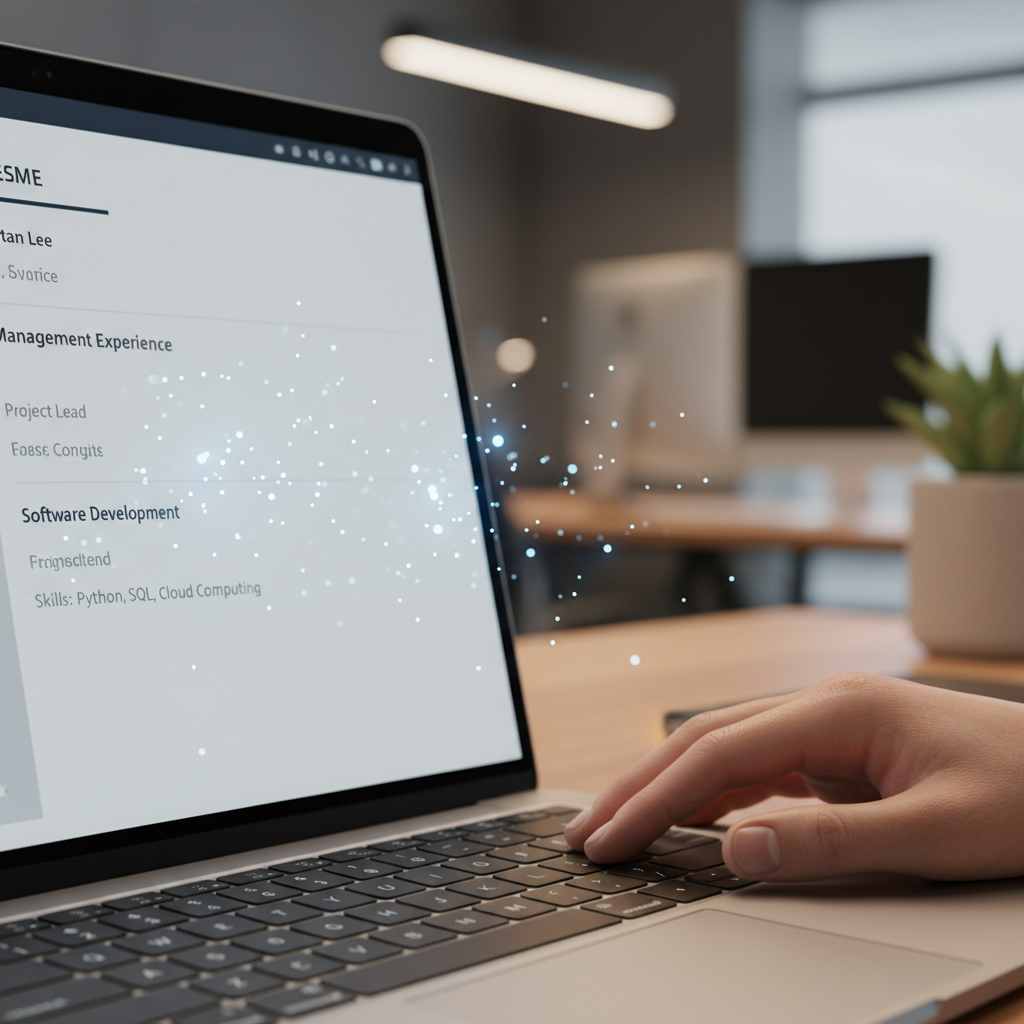
Before a human ever sees your application, AI might be the first to review it. These algorithms quickly scan resumes for specific keywords, skills, and experience. Their job? To filter out candidates who don't meet the basic requirements, saving recruiters hours of manual work. The idea is also that by focusing on objective criteria, AI can help reduce some of the unconscious biases that often pop up in human screening.
Virtual Interview Platforms: Talking to a Bot (or Being Recorded)

Many companies now use virtual platforms where AI plays a central role. You might encounter:
Automated Video Interviews: You'll record your answers to pre-set questions. The AI then analyzes your responses, looking at everything from your words to your tone of voice and even your facial expressions.
Chatbot Interviews: Some preliminary interviews are handled by AI chatbots. They'll ask basic questions and gather initial information before you ever speak to a person.
Behavioral Analysis: What AI Sees Beyond Your Words
Beyond just what you say, advanced AI tools can analyze how you say it. They look at your facial expressions, the nuances in your tone of voice, and even your body language to get a sense of your communication style and emotional state. Some systems even use predictive modeling, trying to guess how successful you'll be in a role based on patterns from past hires. It's a bit like a digital crystal ball, though not always perfect.
Why Companies (and Sometimes Candidates) Like AI Hiring
AI isn't just a fancy new tool; it offers some real upsides for both sides of the hiring equation.
For Companies, It's About Speed and Scope
Efficiency: Automating initial screening and scheduling saves a ton of time and money. Think about the sheer volume of applications a recruiter used to sift through manually.
Potential for Less Bias: The hope is that by relying on objective data, AI can lead to fairer and more diverse hiring. It's not a silver bullet, but it's a step.
Broader Reach: AI can handle more applications, letting companies cast a wider net and consider candidates they might have missed before.
For You, the Candidate, It Can Mean a Fairer Shot
Objective Assessment: When AI focuses on specific criteria, it can mean your skills and qualifications get a more equitable look, rather than being swayed by a human's first impression.
Quicker Answers: Automated processes often mean faster feedback on your application, which is a welcome change from weeks of silence.
The Downsides: What Can Go Wrong with AI in Hiring

It's not all smooth sailing. While AI offers benefits, it also brings some serious challenges and ethical questions we need to consider.
Your Data: Who's Watching (and What Are They Doing With It)?
AI systems gobble up a lot of personal data. This means companies need rock-solid security and must follow privacy rules. A big concern for candidates is transparency: often, you have no idea how your information is being used or analyzed by these AI tools.
Algorithmic Bias: The Old Problems in New Tech
One of the biggest worries is that AI can actually make existing biases worse. If the AI is trained on historical hiring data that was already biased, it will just learn and repeat those same unfair patterns. Plus, AI often misses context—it struggles with cultural differences, subtle cues, or unique situations that a human interviewer would pick up on instantly.
Losing the Human Touch
When we rely too much on AI, the interview process can feel cold and impersonal. It becomes less about a conversation and more about transactions. And what happens when AI makes a bad hiring decision? Who's accountable? These are tough questions without easy answers.
How to Prepare for an AI Interview (and Win)
AI is here to stay, so you need to adjust your game plan. Here's how to get ready and boost your chances of success:
Do Your Homework on the Tech: Figure out which AI interview platform the company uses. A quick Google search can often tell you what to expect and how it works.
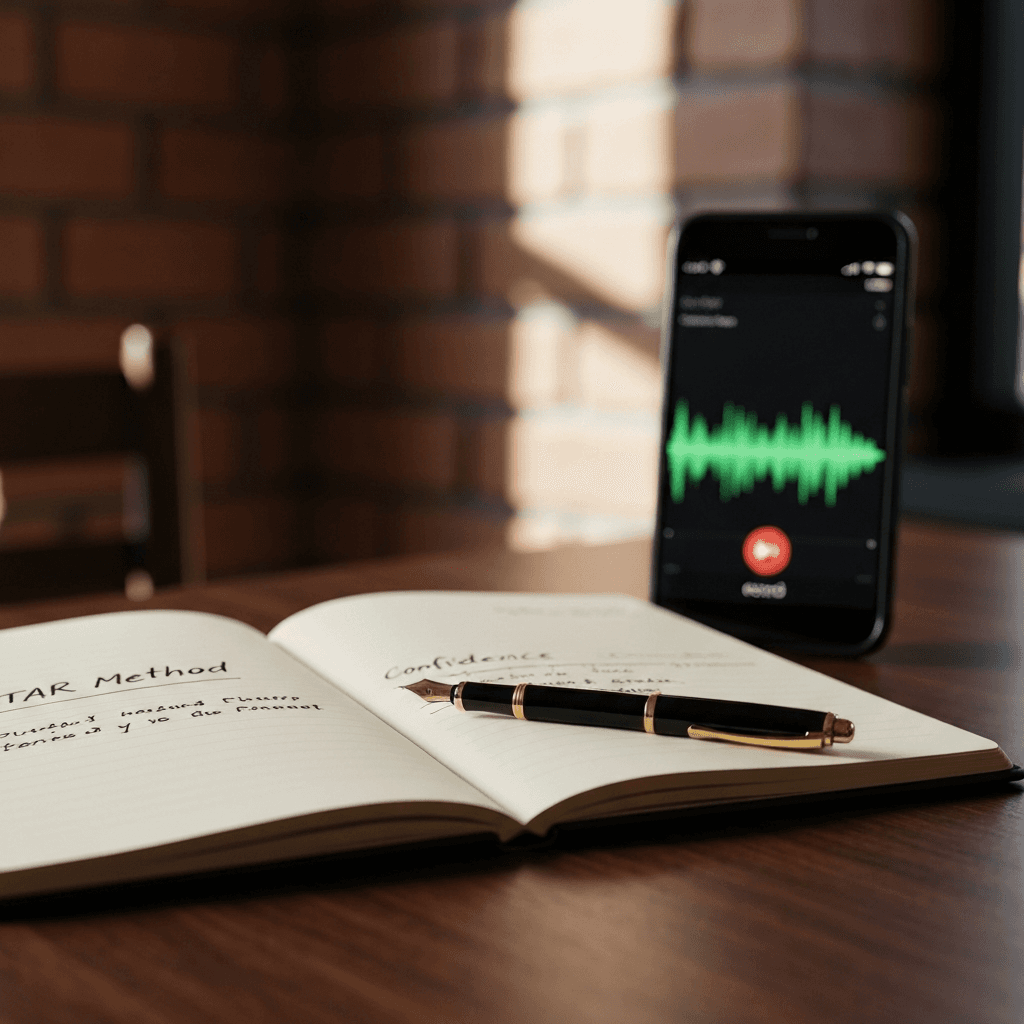
Record Yourself Practicing: Seriously, do it. Practice answering common interview questions out loud and record yourself. Watch it back. How's your eye contact? Your tone? Are you fidgeting? This is invaluable for refining both what you say and how you say it.
Be Clear and Concise: AI loves direct answers. Don't ramble. Get to the point, use clear language, and avoid industry jargon unless it's absolutely necessary.
Don't Forget to Be You: Yes, AI is analyzing data, but companies still want to hire a human. Authenticity and genuine enthusiasm still matter. Even algorithms can pick up on a confident, engaged candidate.
What's Next for AI in Hiring?
AI in hiring isn't going anywhere. Expect even smarter tools that dig deeper into candidate profiles, all while hopefully becoming fairer and more transparent. The real aim isn't to get rid of human recruiters. It's to give them better tools, making the whole hiring process more efficient, more equitable, and ultimately, more effective for everyone involved.
Conclusion
AI is definitely changing how we interview for jobs. It brings both real advantages and some tricky problems. But by understanding how these systems work, preparing smart, and pushing for ethical use, you—and the companies you apply to—can actually make the hiring process better. The bottom line? AI is part of the job search now. Your job is to learn how to navigate it confidently.