

Introduction
AI is quietly reshaping how companies hire, and nowhere is this more apparent than in the job interview. If you're a professional looking for your next role, understanding how artificial intelligence plays a part in your interview process isn't just helpful-it's essential. This guide will walk you through what to expect and how to prepare, so you can show up confidently and make a real impression.
The Rise of AI in Hiring
Companies are increasingly turning to AI to make their hiring processes more efficient and objective. From the very first resume scan to some later-stage assessments, these tools are designed to help recruiters quickly identify promising candidates and manage large applicant pools.
Where You'll Encounter AI in the Interview Process
So, where might you actually run into AI during your job search? It's showing up in several key areas:
- Resume Screening: Before a human ever sees your application, AI algorithms often scan resumes for specific keywords, skills, and experience, ranking candidates based on how well they match the job description. Think of it as a digital gatekeeper.
- Video Interviews: Many companies now use AI to analyze recorded video interviews. This isn't just about what you say; the AI can assess non-verbal cues, speech patterns, and even facial expressions to get a read on your communication style and emotional intelligence.
- Chatbot Interviews: You might have an initial screening conversation with an AI-powered chatbot. These bots ask standardized questions and evaluate your responses for clarity and relevance, often acting as a first filter.
- Gamified Assessments: Some companies use game-based scenarios where AI monitors your performance. This helps them evaluate problem-solving abilities, cognitive skills, and even how well you might fit into their company culture.
The Downsides: What to Watch Out For
While AI brings efficiencies, it's not without its quirks and potential pitfalls for job seekers. Being aware of these challenges is half the battle.
Navigating Potential AI Biases
One of the biggest concerns with AI is bias. These systems can, unfortunately, pick up biases from the data they're trained on, which might lead to unfair evaluations. While companies are working on solutions, here's what's generally considered important:
- Diverse Training Data: The goal is to train AI models on a wide range of data sets to reduce embedded biases. This helps the system learn from a broader, more representative pool.
- Human Oversight: Ultimately, a human should always be involved in the final hiring decision. AI recommendations are just that-recommendations-and human review is crucial.
- Understanding the 'Black Box': While full transparency isn't always possible, companies are striving to make AI algorithms more understandable. Knowing that these systems are looking for specific keywords or behavioral patterns can help you tailor your approach.
Your Playbook for Acing AI Interviews
So, how do you actually prepare for these AI-driven interviews? It comes down to understanding how the technology works and then adapting your approach.
Polish Your Online Profile
Your online professional profile is often the first thing an AI system 'sees.' A polished digital presence isn't just nice to have; it's critical.
- LinkedIn Profile: Make sure your LinkedIn is current, packed with relevant keywords, and clearly demonstrates your skills and accomplishments. Think of it as your digital resume.
- Personal Website/Portfolio: If your industry or role benefits from it, keep a professional website or portfolio updated to showcase your best work.
- Online Activity: Be thoughtful about your public online activity. Does it reflect the professional brand you want to project?
Nail the Video Interview

Many companies use AI-powered video interviews. Getting ready for these means you need to combine technical savvy with strong communication skills.
- Practice with AI Tools: Seriously, use mock AI interview platforms. They're excellent for getting comfortable with the format and getting immediate feedback.
- Clear Communication: Speak clearly, be concise, and remember to look directly into your camera lens-that's how you make 'eye contact' with the AI and the eventual human reviewer. Skip the jargon.
- Professional Setup: Dress professionally, and make sure your background is tidy and distraction-free. Good lighting helps too!
Build an AI-Optimized Resume
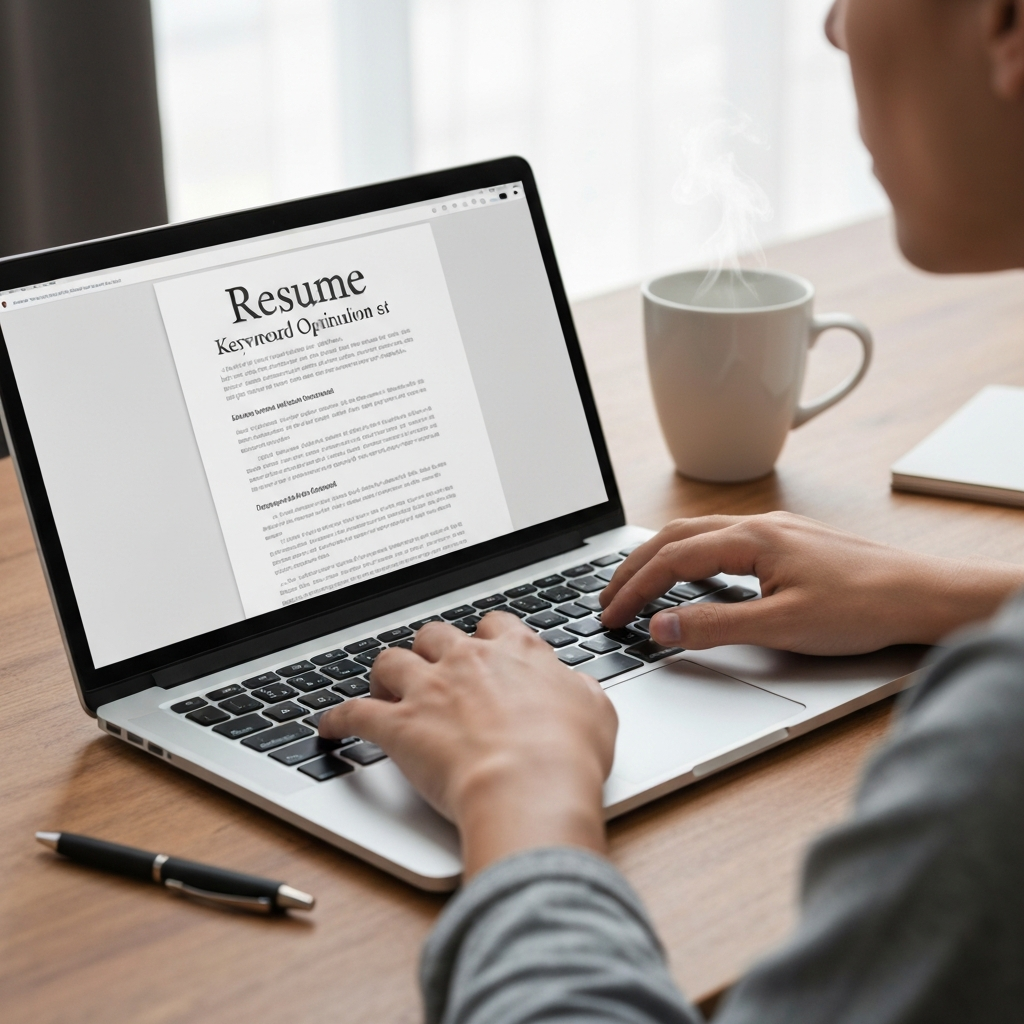
Your resume is often the very first hurdle an AI system will evaluate. Make sure it's easy for the AI to read and packed with the right keywords.
- Keywords: Pull keywords directly from the job description and weave them naturally into your resume. Don't just list them; integrate them into your experience.
- Standard Formats: Stick to clean, conventional resume templates. Fancy graphics or unusual layouts can confuse AI systems and get your resume discarded.
- Quantifiable Achievements: Whenever possible, back up your achievements with numbers and metrics. Did you increase sales by 15%? Reduced costs by $10K? AI loves data, and so do hiring managers.
What's Next for AI in Hiring?
AI in recruitment isn't standing still. Expect to see even more sophisticated and personalized hiring tools emerge. Staying on top of these trends will absolutely give you an advantage.
Conclusion
Look, facing an AI interviewer might feel a little strange at first. But remember, it's just another tool in the hiring process. By understanding how these systems work and preparing smartly-polishing your digital presence, practicing video interviews, and optimizing your resume-you're not just adapting; you're taking control. Use these insights to refine your approach, stand out, and ultimately, land that next great opportunity.