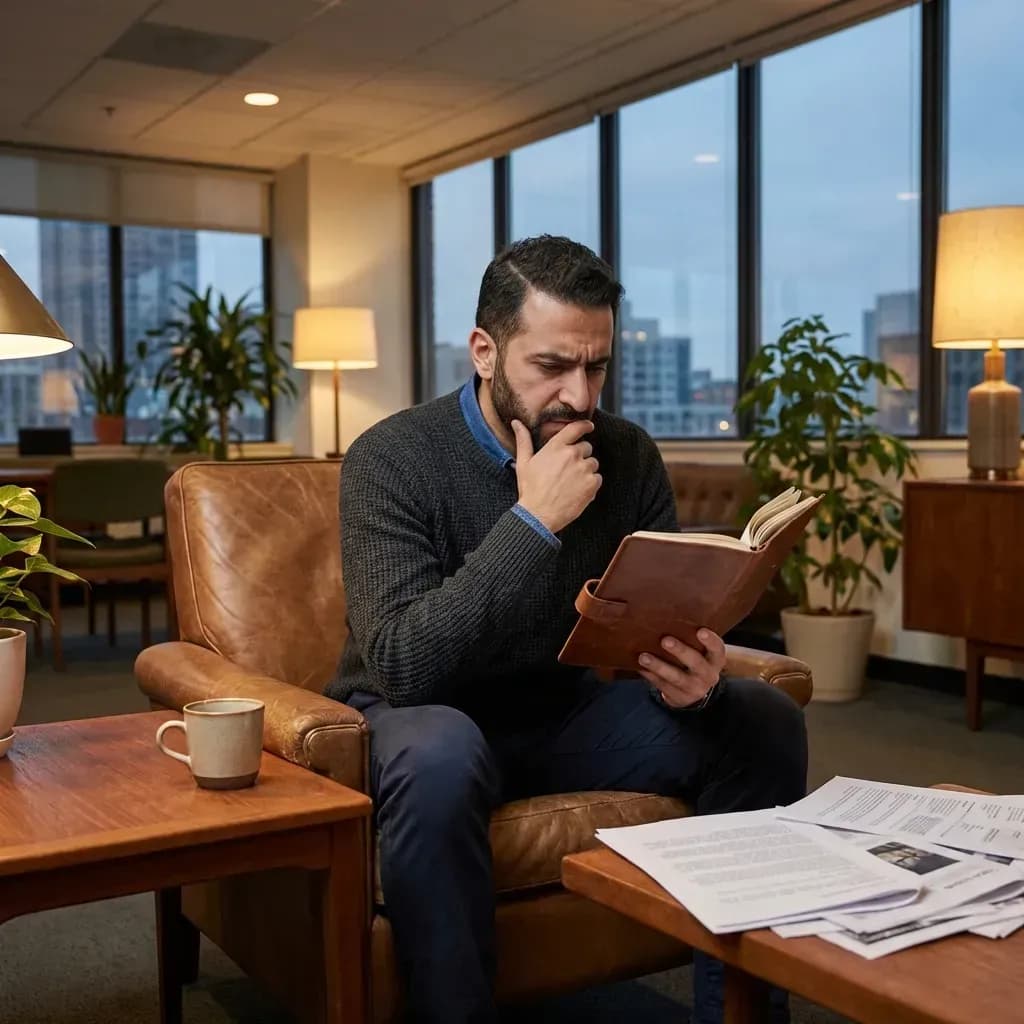

Why Interview Feedback Is Rare (And How to Self-Diagnose)
After an interview, silence feels worse than rejection. You wait for clarity that never arrives. And when the rejection finally comes, it’s generic.
“Decided to move in a different direction.”
At Exibel, this isn’t treated as bad luck. It’s treated as a system problem — one you need to understand before you can fix.
Feedback Is Rare Because Hiring Isn’t a Teaching Process
Most candidates assume interviews are evaluations with explanations. In reality, interviews are decisions without obligation.
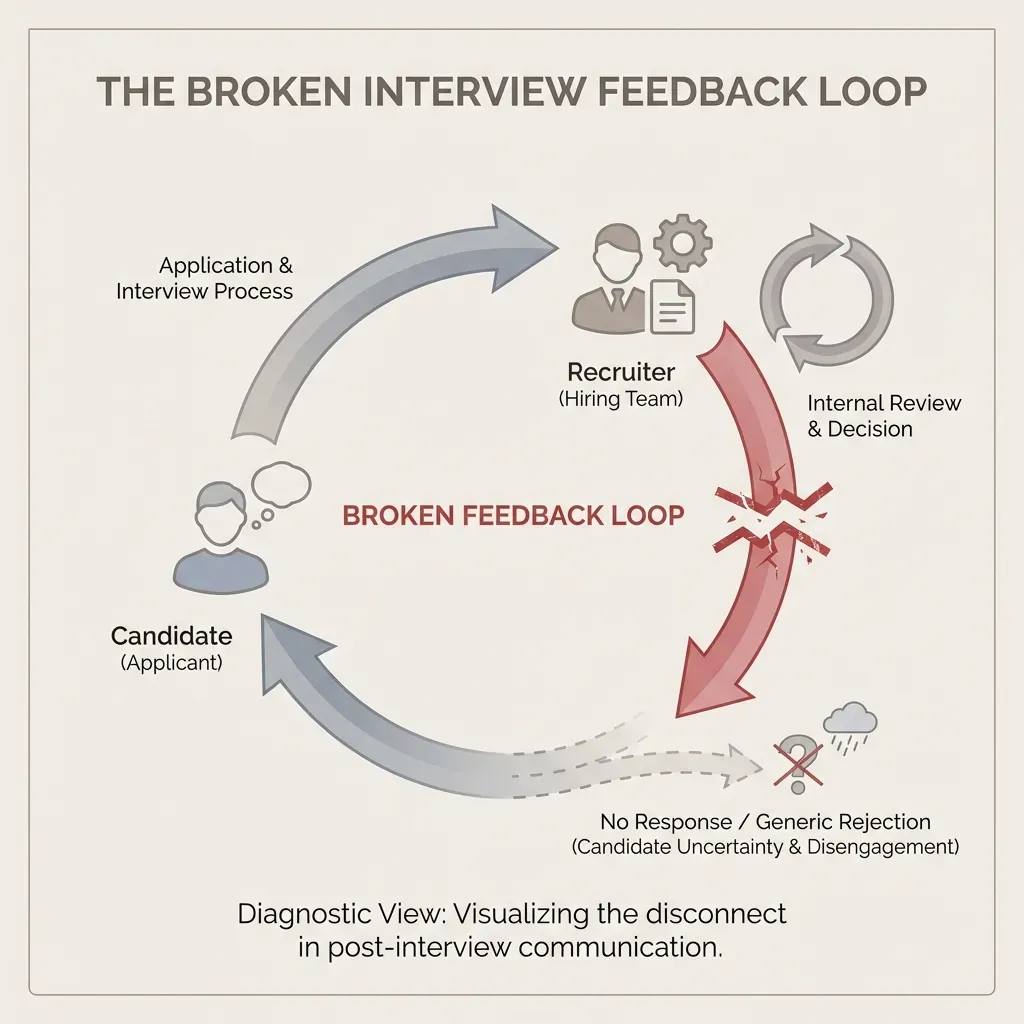
Recruiters optimise for speed and legal safety. Giving detailed feedback adds liability. So they choose the safest path: silence.
The Dangerous Part: Wrong Assumptions
When feedback is missing, candidates diagnose themselves — often incorrectly.
- “They didn’t like me.” (False. It’s usually about risk.)
- "I need more certifications." (False. It's usually about demonstrable experience.)
- "I'm just not good enough." (False. It's often about fit or communication.)
At Exibel, we see talented candidates change the wrong things because they misread the silence.
The Exibel Approach: Self-Diagnosis
Since feedback is unreliable, focus on structured self-diagnosis.
- Did I answer the core question asked?
- Was my body language open or closed?
- Did I control the narrative of my experience?
This shifts control back to you.
Conclusion
Interview feedback is rare not because you don’t deserve it — but because the hiring system isn’t built to provide it. Waiting for it keeps you stuck. Learning to self-diagnose moves you forward.
The fastest way to get hired isn’t more interviews. It’s fewer blind spots.