

How Applicant Tracking Systems (ATS) Work — And How Exibel Helps You Beat Them
Most job seekers believe they’re being rejected because they lack skills or experience. In reality, many resumes never reach a recruiter at all. They’re filtered out by software long before a human sees them.
This software is called an Applicant Tracking System (ATS) — and understanding how it works is critical if you want to get shortlisted consistently.
Did You Know? A staggering 75% of resumes are rejected by ATS software before a human recruiter ever sees them. This isn't because the candidates aren't qualified, but because their resumes aren't optimized for the system.
At Exibel, we see this every day: qualified candidates struggling not because they aren’t capable, but because their resumes aren’t aligned with how hiring systems evaluate applications.
What an Applicant Tracking System Actually Does
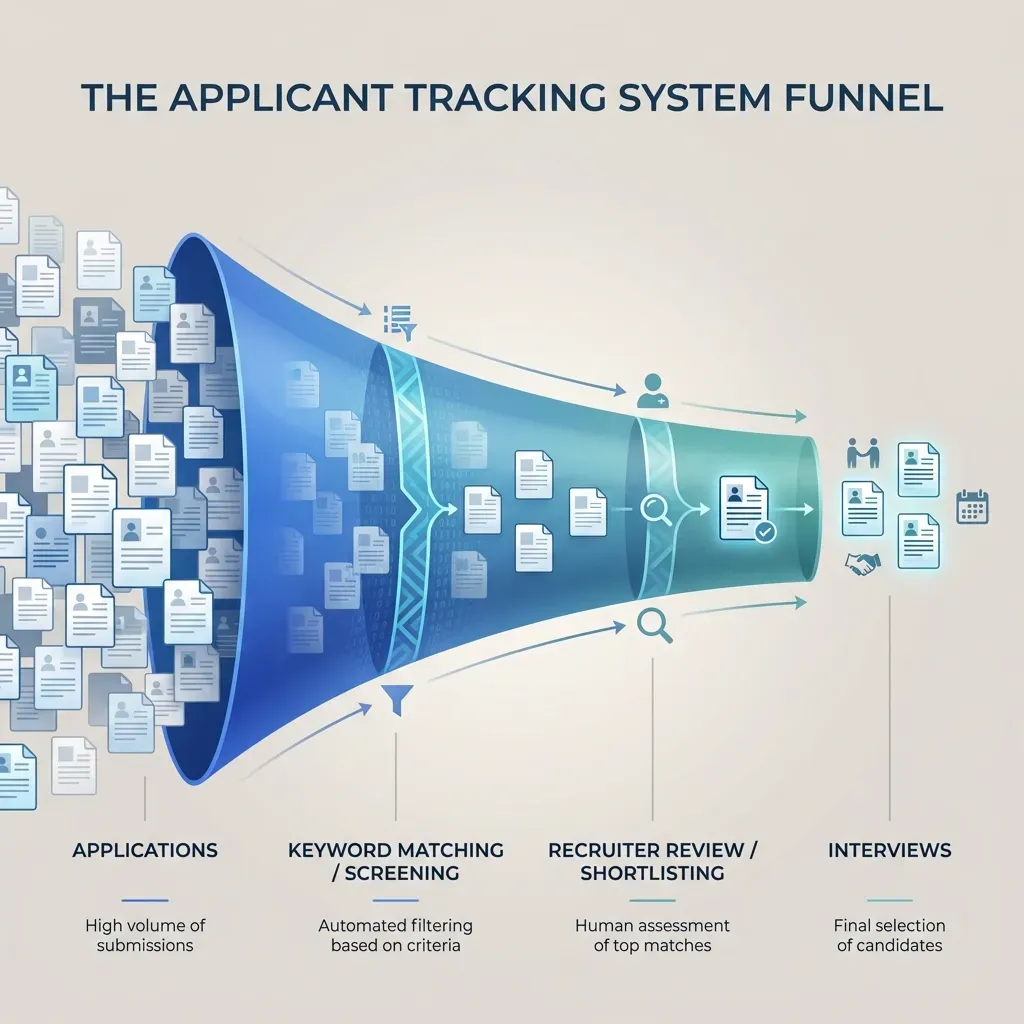An ATS is used by employers to manage large volumes of job applications efficiently. Instead of reading every resume manually, the system scans, organizes, and ranks resumes based on how closely they match the job requirements.
It parses your resume to extract key information like:
- Work history
- Skills and tools
- Contact details
- Education and certifications
If your resume doesn’t communicate relevance clearly — or if the system cannot read it properly — it may be rejected automatically.
Why ATS Becomes a Barrier for Many Job Seekers
The biggest problem isn’t ATS itself — it’s how resumes are written. Many candidates use:
- Complex layouts (tables, columns, graphics) that parsers can’t read
- Generic language that doesn’t match the job description
- Keyword-poor descriptions
Exibel’s approach focuses on fixing this exact gap — helping candidates present their experience in a way that both ATS systems and recruiters understand.
What Makes a Resume ATS-Friendly
An ATS-friendly resume is not about tricking the system. It’s about clarity, structure, and relevance.
1. Simple, readable structure ATS works best with clean formatting. A clear layout with standard sections ensures your information is correctly parsed.
2. Standard language and job-relevant terms If a role asks for “data analysis,” your resume should reflect that exact term.
3. Reverse-chronological experience Most hiring systems prioritise recent and relevant experience. Listing your latest roles first makes it easier for ATS to assess fit quickly.
Conclusion
Applicant Tracking Systems are not your enemy — but ignoring them is costly. When your resume is clear, relevant, and aligned with how hiring systems evaluate candidates, your chances of getting shortlisted improve dramatically.
A strong career doesn’t start with more applications. It starts with the right resume strategy.